Disgust Is Not The Point
A review turned case against (and for) the shock film canon.

TW: Sexual assault, pedophilia, suicide and torture
“Is it someone else?”
“No, it’s just you.”
These two lines, exchanged within the first few minutes of the first scene of Todd Solondz’s 1998 black comedy-of-bad-manners Happiness (1998)— a film now for over two decades well-known as a staple piece of the unofficial “Disturbing Films” canon, which consists of an overstimulating mix of NC-18 IMDB lists, campfire-like video essays by the likes of Whang! and Wendigoon and a god-awful amount of shock-film “iceberg” graphics which we will be tearing apart later— is, after an effortless amount of consideration, the most devastating aspect of the whole film.
A movie which consists of (all of these examples have been discussed and shared much more aggressively than those two lines quoted before) an off-screen suicide, multiple loathsome perverts taking up the majority of screentime, a recount of one woman’s sexual assault which immediately led to her killing and dismembering of her assailant’s corpse limb-by-limb, a fantastical depiction of a mass shooting (just one year before the massacre at Columbine High School, which would obviously transform the discourse around an American artist’s responsibility towards any and all depictions of mass gun violence) and, most infamously, multiple acts of child rape by one member of the film’s deranged and broken ensemble.
Yes, amongst so many obscene, purposefully unsettling moments, it was the exchange of two lines that really struck me and in some ways haunted me (in a way that a lot of real conversations I’ve had seem to haunt me too). Two awkward lines of dialogue between two awkward thirty-something acquaintances on an awkward date in one of those white table cloth, garlic-bread-appetizer, places you take strangers to show a tiny modicum of taste you might have without revealing anything about yourself (if you had any idea what there is about yourself worthy to share in the first place).
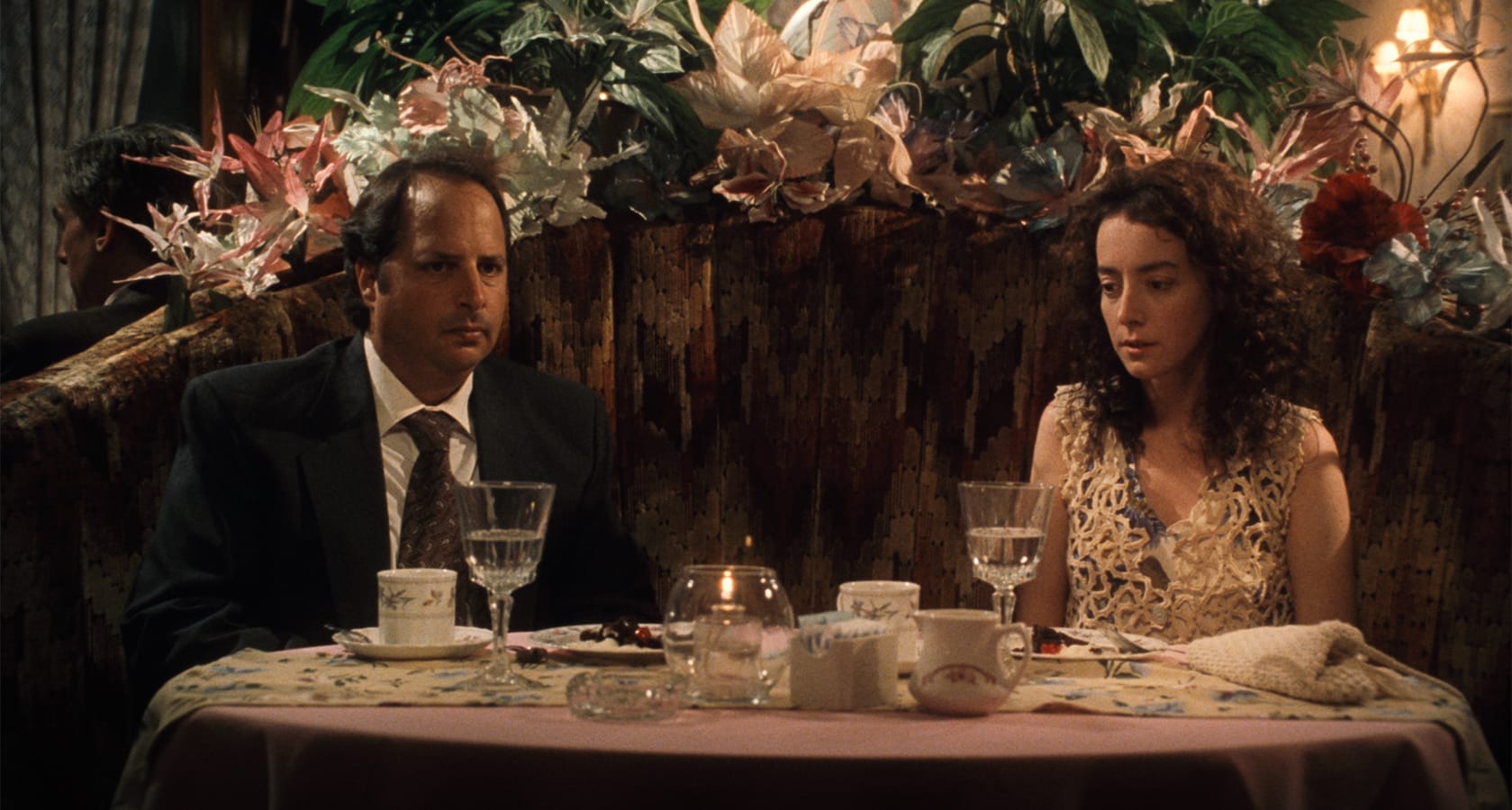
Solondz pins these two lines in the middle of a very long-winded, stilted conversation between Joy and Andy, coworkers on what may be their third or fourth date. Joy, a flowery, delicate, bumbling ball of nerves (she isn’t really “doe-eye’d” as some might say, I think she carries stronger similarities between a freshly shaven lamb) is letting Andy off gently. There’s no ‘spark’ between them, it’s as simple as that, and just as simple to see. Andy might not see it as well (although, another layer of tragedy would fit on nicely if he did, while desperation and loneliness keeps him pestering her for another date) and so he needs a moment to really take the rejection in. At first, his conduct is surprisingly congenial (though with a stony, teary-eyed face) as Joy tries to explain herself…
Joy: “Before things went too far. You know, got too serious.”
Andy: “Yeah, I’m sorry. I’m too serious.”
Joy: “No, you’re not. It’s me.”
Shortly after, Andy offers his badly hidden plea for consolation. If some anonymous third party had already swept Joy off her feet, planted his stake in her first and branded his crush as “his” rather than “mine”, then at least he’d be let off the hook, prolonging his overdue appointment with his own inadequacy. He would have owned the privilege to whisper repeatedly to himself on that long, quiet drive back home (especially if Joy were next to him in the passenger’s) that the only fault he had to own was that he was simply too late; or better yet, that Joy was disloyal, and he was better off with someone who wouldn’t or better yet couldn’t retain clarity about his undeniable value.
But instead, Joy sees no reason in coddling Andy around this particular point. There isn’t anyone else. “It’s just you”.
This was meant to be a review of Todd Solondz’s Happinness and nothing more, a film that for the past few weeks has begged and bothered me to both answer a few of its questions and to ask some of my own for our readers to ruminate on. What occurred as I started jotting down onto my Notes app was that I found myself obsessed with certain aspects of Happinness that have eluded public discourse for the longest time, and what will probably elude it for as long as online film circles continue to exist the way they do. I was obsessed with a version of Happinness not a single cinephile has even dared to acknowledge.
I cared little for all the parts of it people called “shocking” and while I’m not on the prude’s side of the fence, handkerchief on sweating brow shaking at the ‘indecent’, ‘despicable’ and ‘inappropriate’ nature it exudes, it is certainly shocking to many unprepared audience members. I don’t find it unnecessary or, in any way, violent to the viewer though I do have a swollen mouthful of gripes with how it treats violence, particularly with how it treats sexual violence towards children.
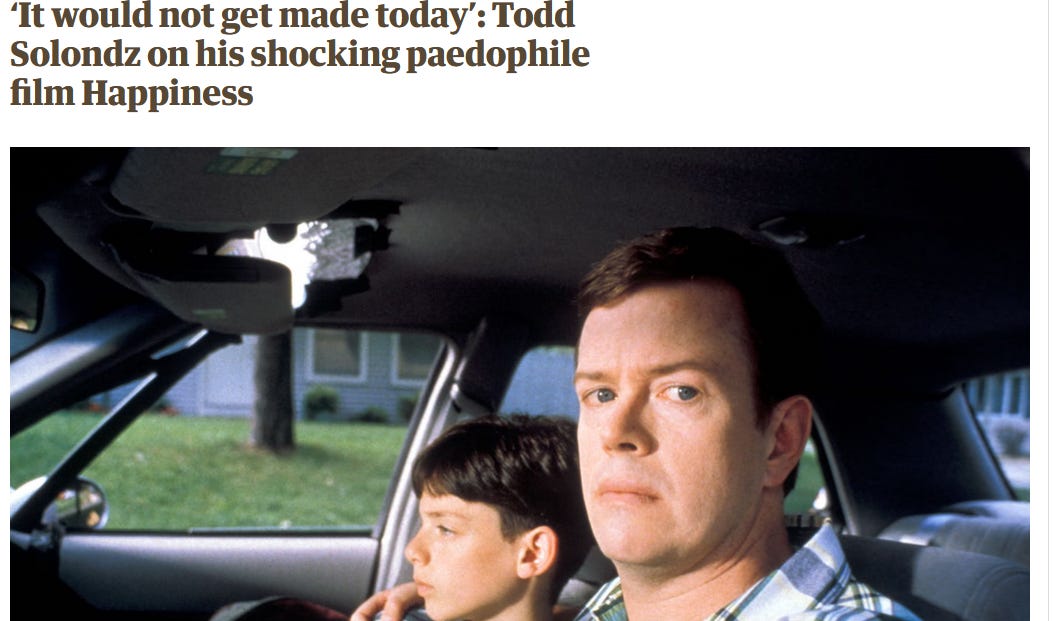
Pedophilia is, without much thought, a coat-pin on top of this film you can’t ignore; made infamous through whispering word-of-mouth gossip, some rejuvenation dealt to it after its inclusion in the Criterion Collection and a lot (seriously, a truly obnoxious amount) of video essays, “Disturbing Breakdowns”, viral internet posts and countless dreaded “Disturbing Film” iceberg posts. This point is made to ensure my reader that, while being the most talked about part of the film, pedophilia is still only a part of it. I also found it to be the part that treats it subject with much less maturity and less of a point than what else the film had to offer (as mentioned before, the film is an ensemble picture).
The thematic line going through every story in Happinness is that of artifice, present and seemingly built into modern American life. The story of Joy Jordan, for example (played perfectly sheepishly by actress Jane Adams), follows a woman who seems irreversibly crippled by suburban attitudes and niceties; she might live on her own but she seems to have never left the comfort of her own safe simplicity, she drifts while getting used to bad luck in both her professional and love life (she drifts from job to job, obsessed with bringing “good” into the wild, and she’s not even sure if she wants to be in a relationship). Joy represents a sensitive sort that resents all the wrapping paper still draped over her life but wouldn’t dare to tear it apart in fear of confronting an uniquely cruel and unpredictable “real” adult society.
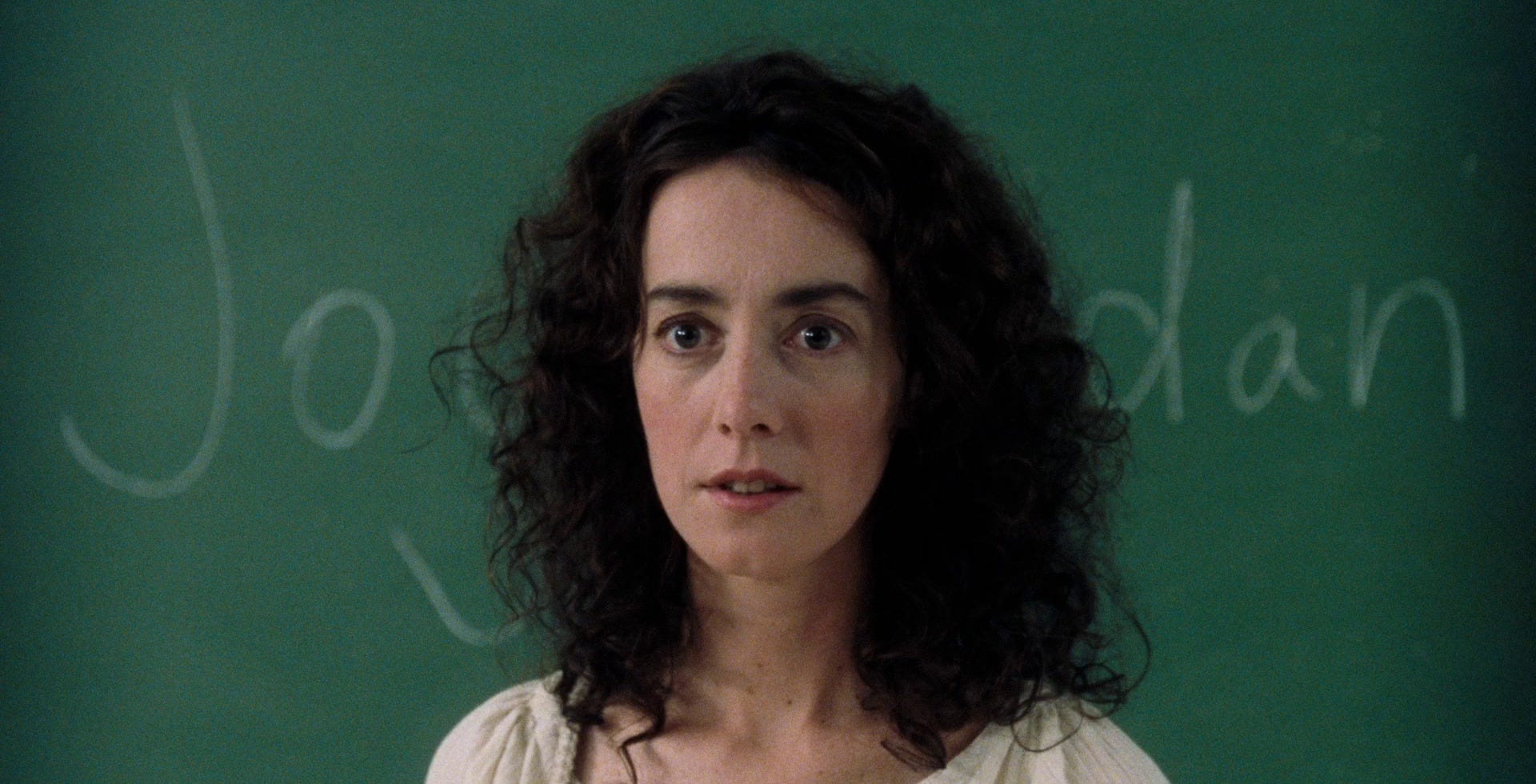
She wants to make an impact on the world, yet she can’t find joy (ha) in her work at an immigrant-education center (a job where her students give her no thanks, she wanted something more than just a job when choosing this line of work). She has small creative endeavors but won’t do anything to put them into the world or go through a dedicated regimen to affirm herself as an actual artist. Her family sees and knows her as sweet, but tragically sensitive and coming up short regarding any noteworthy points of value given to the world and herself (they see her as a failure, but their own standards for success are embarrassingly shallow and too capitalistic for their own good).
With that being said, no one really knows anyone at all in this film. In a world wrapped whole in artifice, no one has the faintest idea of what their colleagues, friends or even their family members are really like, which inevitably breeds a sort of people drenched in pure loneliness. Joy’s admirer, Andy, takes his own life soon after that night of awkward rejection. Once news of this spreads around Joy’s workplace, well, it doesn’t really spread that much all; most of her colleagues had no idea of an “Andy” in the first place, despite (or directly because of) their close packing together around endless, grey, drywall cubicles so bunched up that you can hear someone’s breath over all the way from the accounting department to one dripping, tearful water tank.
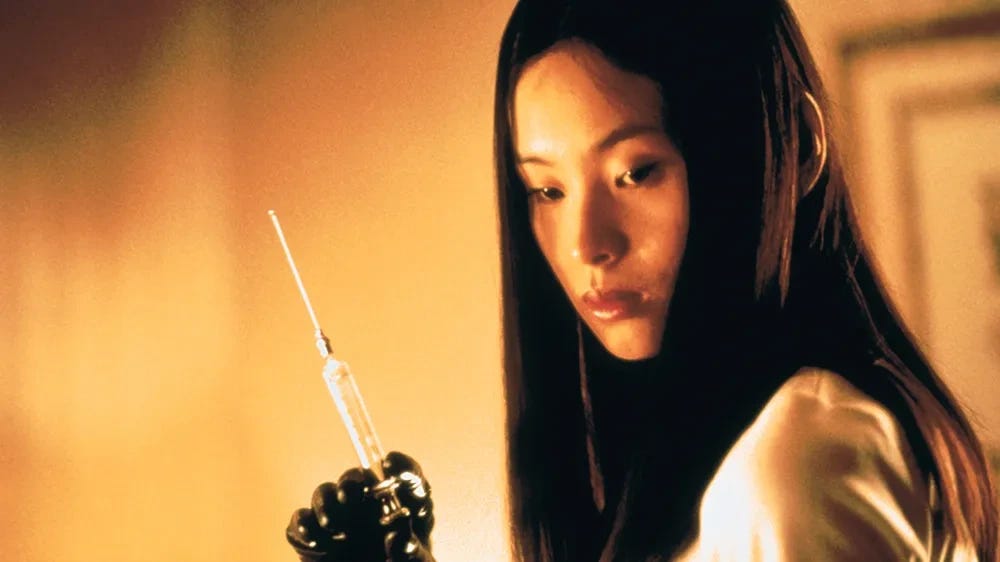
You can find a similar view of loneliness and artifice while watching Takashi Miike’s Audition (1999) , another film doomed by its inclusion into the Disturbing Films Canon. An undeniably disturbing picture, but one so woefully misjudged if it were posited between the likes of The Human Centipide (2009) and A Serbian Film (2010). Again, disgust is not the point.
Audition asks us how sure we are that we truly know how our neighbours, colleagues, friends or lovers are living inside their own quiet, impenetrable spaces. We don’t exactly want to know the answer, but we beg to be proven right of our assumptions, like the film’s male lead Shigeharu Aoyama— so enchanted by the angelic but secretly sadistic Asami Yamazaki, who he falls for after hosting a predatory audition process amongst dozens of women hoping to find his next wife as a widow of seven years.
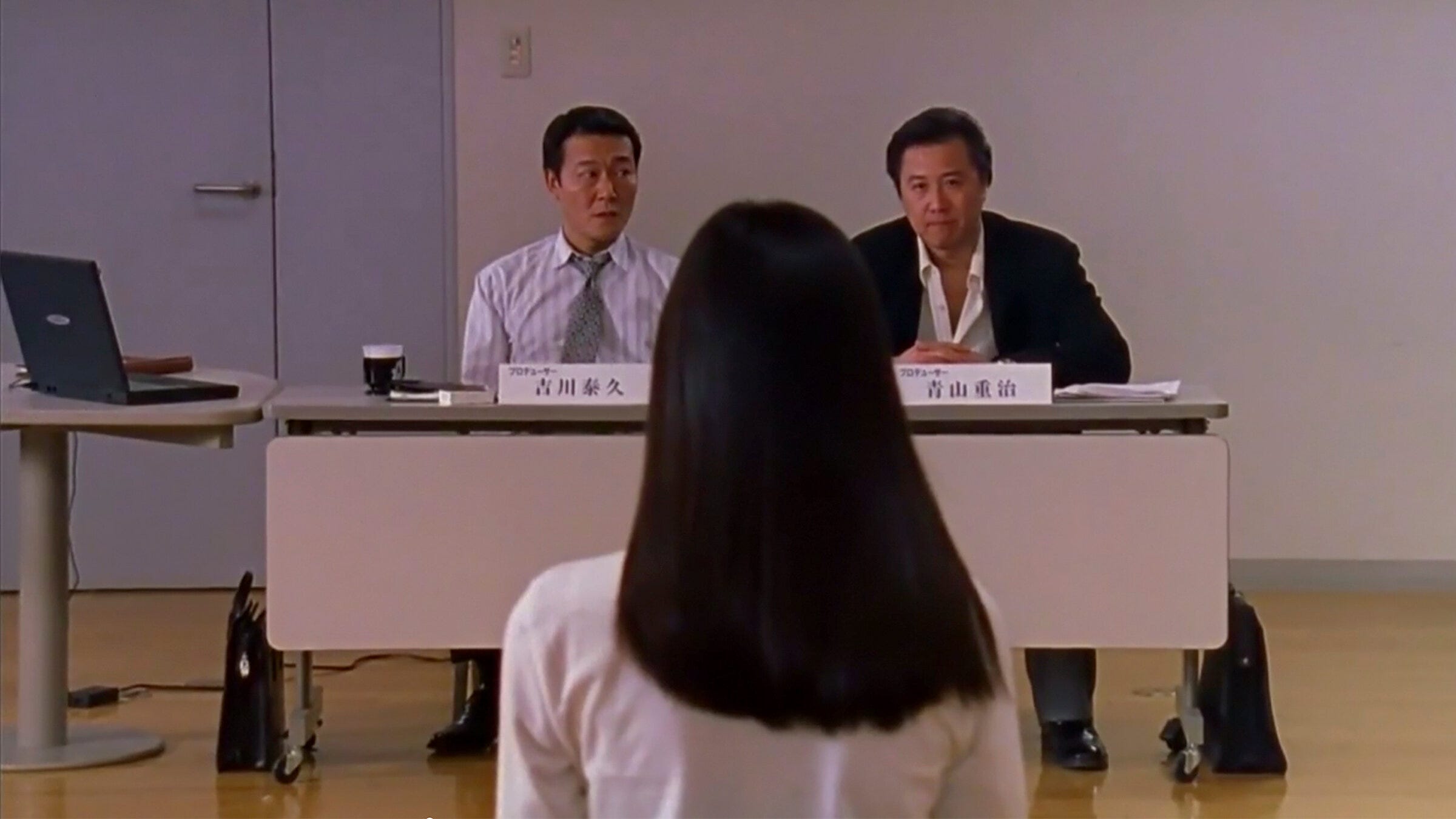
Audition differs from so many tentpole Disturbing Films not just due to its desire to say something on top of all its gore, violence and suffering, but due to the fact that said gore, violence and suffering only takes place in the film’s last twenty minutes. Made five years before the release of Saw (2004), Audition may occupy similar headlines as a classic torture film, but the Saw franchise is going after something quite different.
Almost every act of violence is a reward drizzled straight into the viewer’s mouth, regardless of whether you squirm while swallowing or not. Audition holds itself off patiently, with menace, its eventual outburst is as much a punishment towards the audience as it its towards its characters. Of course, you can watch what happens to Shigeharu with glee and satisfaction, but it is not only him that suffers. Asami’s suffering within her childhood (which lives endlessly within her scars) is shown to us first, without any music or exclamation to at least coddle us with sentimental dramatics.
Audition isn’t interested in even trying to be a gore fest, which might be why I hold it in such high regard despite my tastes veering towards the tender side of cinema most of the time.
But now, you could argue that something like Happinness is leaning into its shock value, even if it does have an astute writer, as it plays with the audiences assumptions around simple suburban Johns like Bill Maplewood, the film’s serial pedophile, playing out intentionally cheesy segments wherein Bill gives the “birds and the bees” talk to his wide-eyed son Timmy; sitcom music and aw-shucks dialogue bits carrying these scenes with infomercial winks to the viewer. What makes them shocking is what happens right after, as we follow Bill going off to Timmy’s sleepover buddy and drugging his chicken sandwich in the middle of the night. What happens next needs no mentioning.
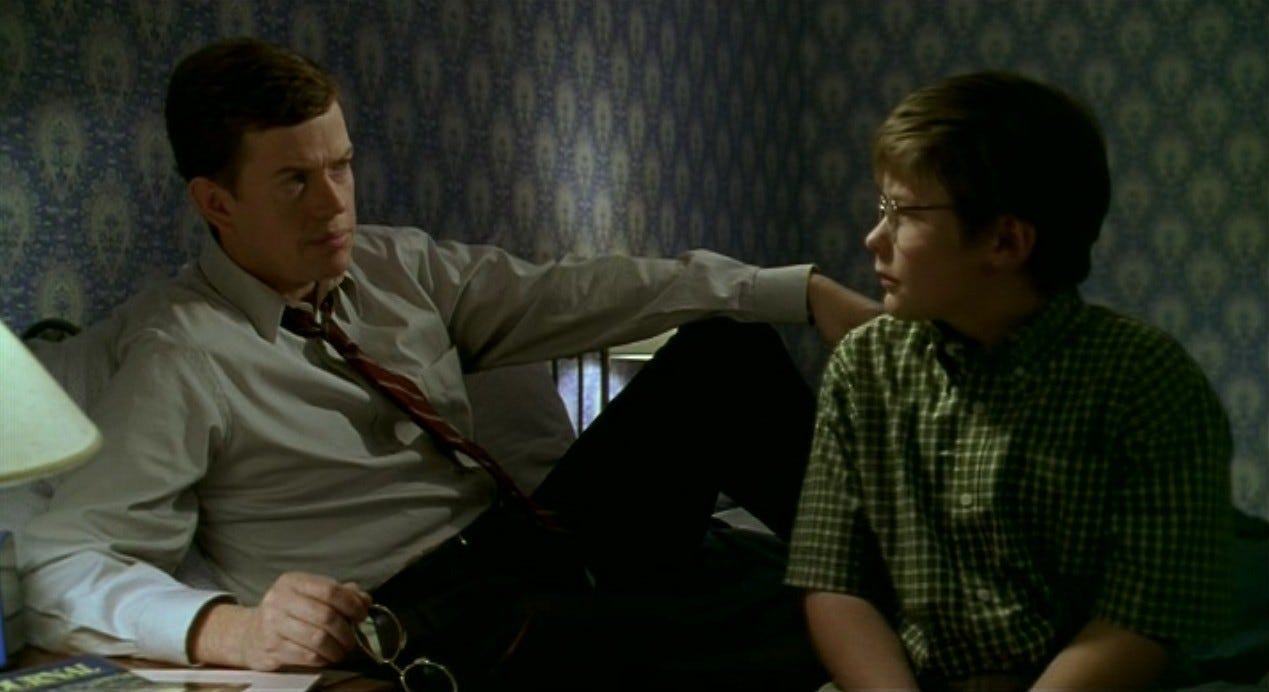
It’s hard to argue that this scene isn’t meant to shock, and it doesn’t seem to say much besides the well-known fact that darkness hides under countless good-neighbour smiles— until you watch the rest of the film (this is a large part in why I write this essay/review/ramble, as many film circles only talk about this one part of the film, usually with edgy smirks all around). The point isn’t that modern, middle-class life holds so much poison under its skin, it’s that the way in which this branch of life conducts itself allows this poison to stay under the skin and rarely come out in front of us.
Bill eventually gets caught after getting away his actions over and over, as no one would expect a slender husband and father, in simple plaid and calf leather Oxford shoes, to be the culprit of all the conjoined suffering our sweet cherub boys have all been forced to endure. There are certain kinds they would expect though, like one fresh-off-the-boat Russian man (Vlad) that Joy takes a very unwise liking to, sleeping with him and having her home ransacked in the process— a plot point I really disliked, as it has much grants much less insight into the psychology of this one immigrant amongst countless American characters in the film. The only worthwhile point that comes out of the Vlad’s arc is that he and Bill are both predatory to their own ends, where Bill is persecuted after his spree while Vlad was basically guilty before he even had the chance to walk into Joy’s sweet suburban house.
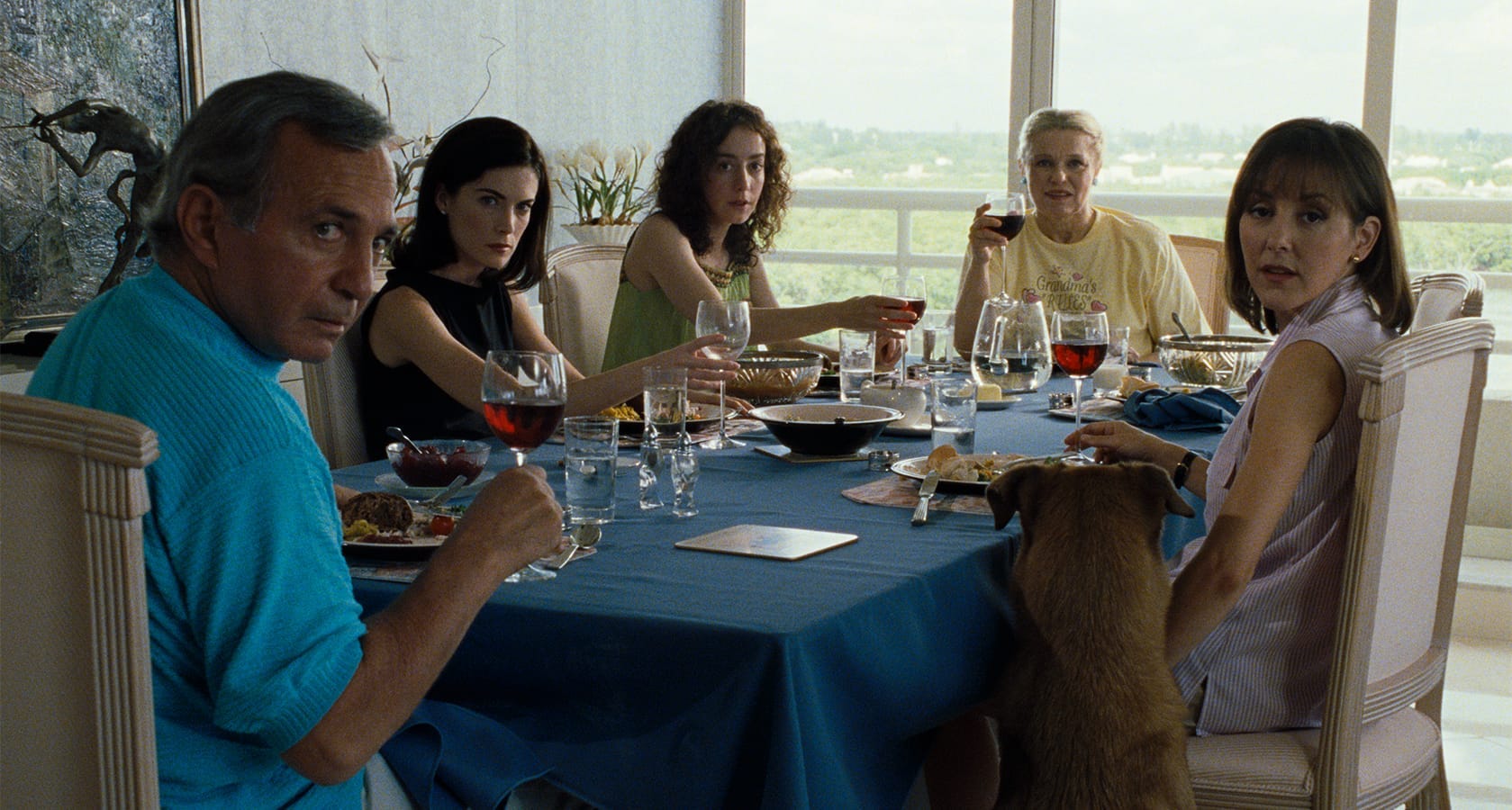
This part of the film seems to argue for the good old-fashioned way of doing things; to be wary of those who don’t come from where you do and to eternally see them as threats to your own humble ways of living, the film punishes every character who try to wiggle out of the lives they seemed so perfectly meant to be a part of, including Joy’s parents Lenny and Mona, who attempt to “separate” — divorce is a word that sends shivers to both of their spines, people like them aren’t supposed to “divorce”— and end up all the more miserable for it.
There’s no “good for you” pleasure spree given to either party; Lenny (played by Ben Gazzara) hooks up with an old flame, Diane, just as lonely and hopelessly un-romantic after her own divorce.
DIANE: Later, when Vincent left me, I thought I’d finally be happy.
LENNY: I guess you never lost your imagination.
After making love (if we must call it that) Lenny expresses that he feels nothing, bossa nova playing over and through a white, marble-floored, sparsely furnished house. Mona spends her time looking for apartments meant for single, female retirees. She’s all dressed and pinned up, very much like the equally lonely and distressed Gena Rowlands in Minnie and Moskowitz (1971), a good old friend and collaborator of Gazzara even if that’s merely coincidental (a fun aspect within film analysis is finding conversation points where not a single soul has thought yet to take it there). That imagery really drive home the point that Mona wants to believe she still has time, dressing like someone would a few decades ago, still with energy and ambition on her mind. Mona, nonetheless, is proven to be as miserable as her former husband. Each character who strays from the shackles of normalcy and tradition in Happinness are constantly punished.
Despite this, it’s obvious that filmmakers like Todd Solondz and Takeshi Miike are critics of traditional living and the assumption that tradition is wholly efficient and needs no investigation. The audition process in Audition is treated as if it’s completely normal for such a thing to exist— with poppy music and comedic bits sprinkled throughout its montage— until Shigeharu receives own his rude awakening. Happinness hammers home the fact that both its creeps and Average Joe’s are in some ways demented. Many other picks of the Disturbing Films canon like John Waters’ Pink Flamingos (1972) and Pier Paolo Pasolini’s Salò, or the 120 Days of Sodom (1975) are no different, with both directors maybe given that extra push from their tragic, early experiences of estrangement due to their homosexuality (with Waters being brought up in Suburban America and Pasolini living in Mussolini’s Italy, how could they not shout across the sky, condemning the savageries of their respective polite societies?).
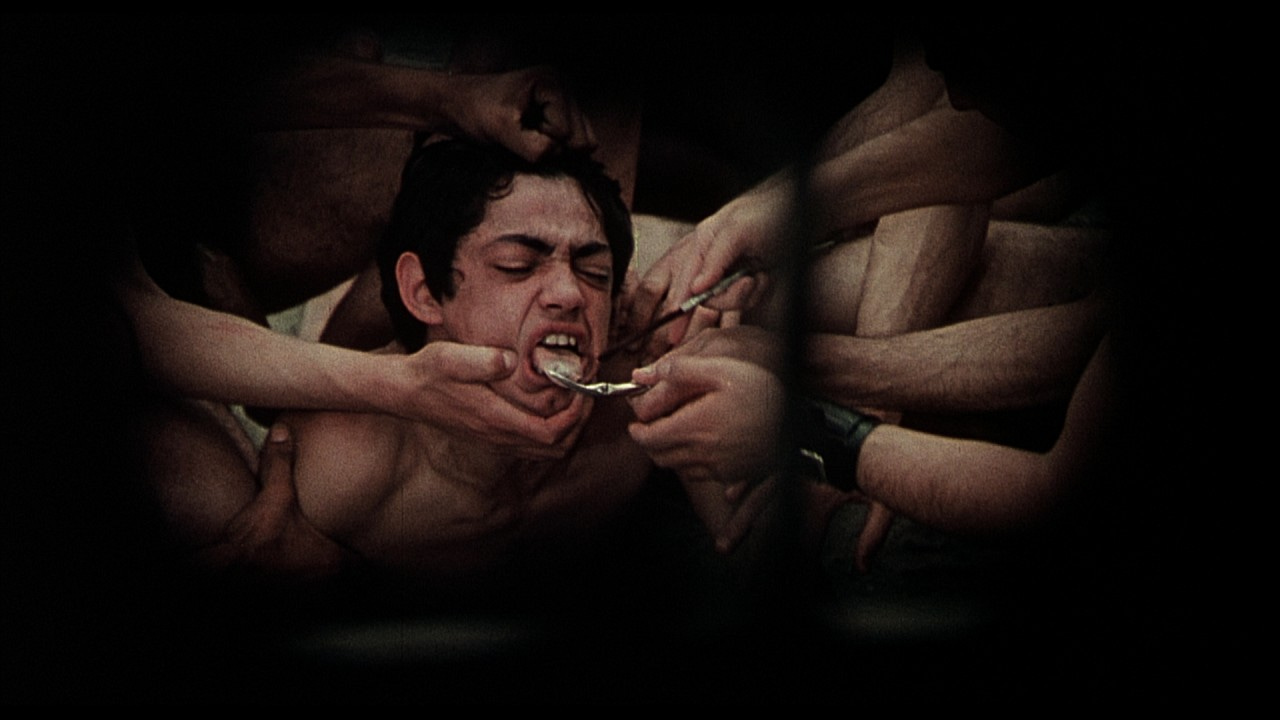
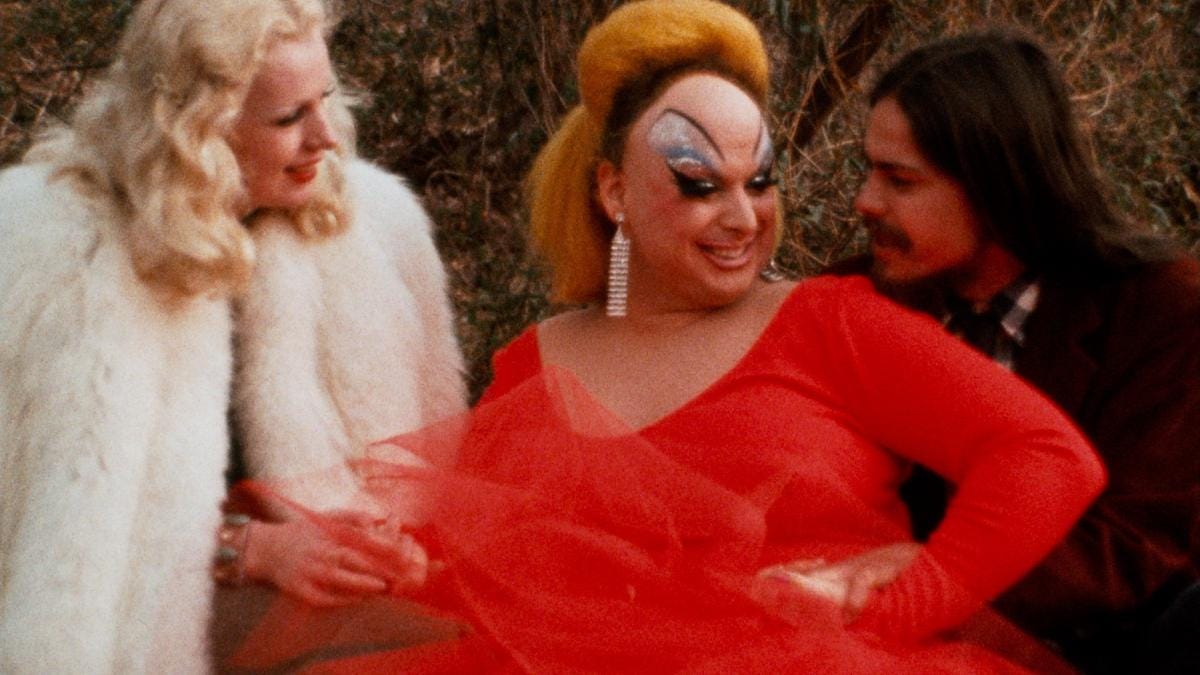
Michael Haneke is no different, his widely acclaimed social thrillers (which contain few thrills when compared to most Hollywood material) are known for their shock, with less attention spent on their statements towards colonialism [Caché (2005)], community [The White Ribbon (2009)] and the ethics of engaging with this sub-genre of shock cinema to begin with [Funny Games (1997)]. Haneke has fared better, though—that must be said— as his work has been saved by countless prestigious art-house awards (and some well-deserved attention from the Oscars), which have given his filmography a sense of “weight” and “importance”. People still watch films like Funny Games just to satisfy their bloodlust, brought by irresponsible word-of-mouth— online and off— but his repuation as an intellectual craftsman means that a good chunk of writers will forever give into determining what he’s actually trying to say.

To conclude (which is a fucking tough thing to pull off, since I, myself, don’t know why I began to write all this), I believe it is our ongoing duty as film-lovers and members of the eternal Discourse to do away with the freakshow that is our canon of Disturbing Films. An ongoing duty, because it’ll never really happen, I can admit that. The nameless member of any and all audiences almost always leaves a film with a signature of raw emotion on their minds rather than a narrative, message or overall thesis (these come later, after some thought and articualtion); no judgement should be brought onto the young, eager man who stepped out of Audition or Happinness or Salò, or the 120 Days of Sodom with only these words to say:
That was pretty fucked up.
Cinema is an experience before anything. To share your love or enthusiasm for a particular piece of cinema with others, presenting how it made you feel rather than what it might’ve said, can almost be a noble act. That acquaintance might find something completely different during their own screening which may have only presented itself if you gave no pretense about its messaging. Regardless, it will always be strange that we talk about a few raw, profound and hypercritical pieces of cinema in the same breath as other freakshow, popcorn pieces of shlock.
Enjoyed your read? Make sure to subscribe and follow us on Instagram to see which films 24th Frame is screening over at Obz Books in Observatory, Cape Town!