24 Truths Per Second
31 for 31: A review of Shirkers by Sandi Tan

This review contains spoilers for Shirkers (2018).
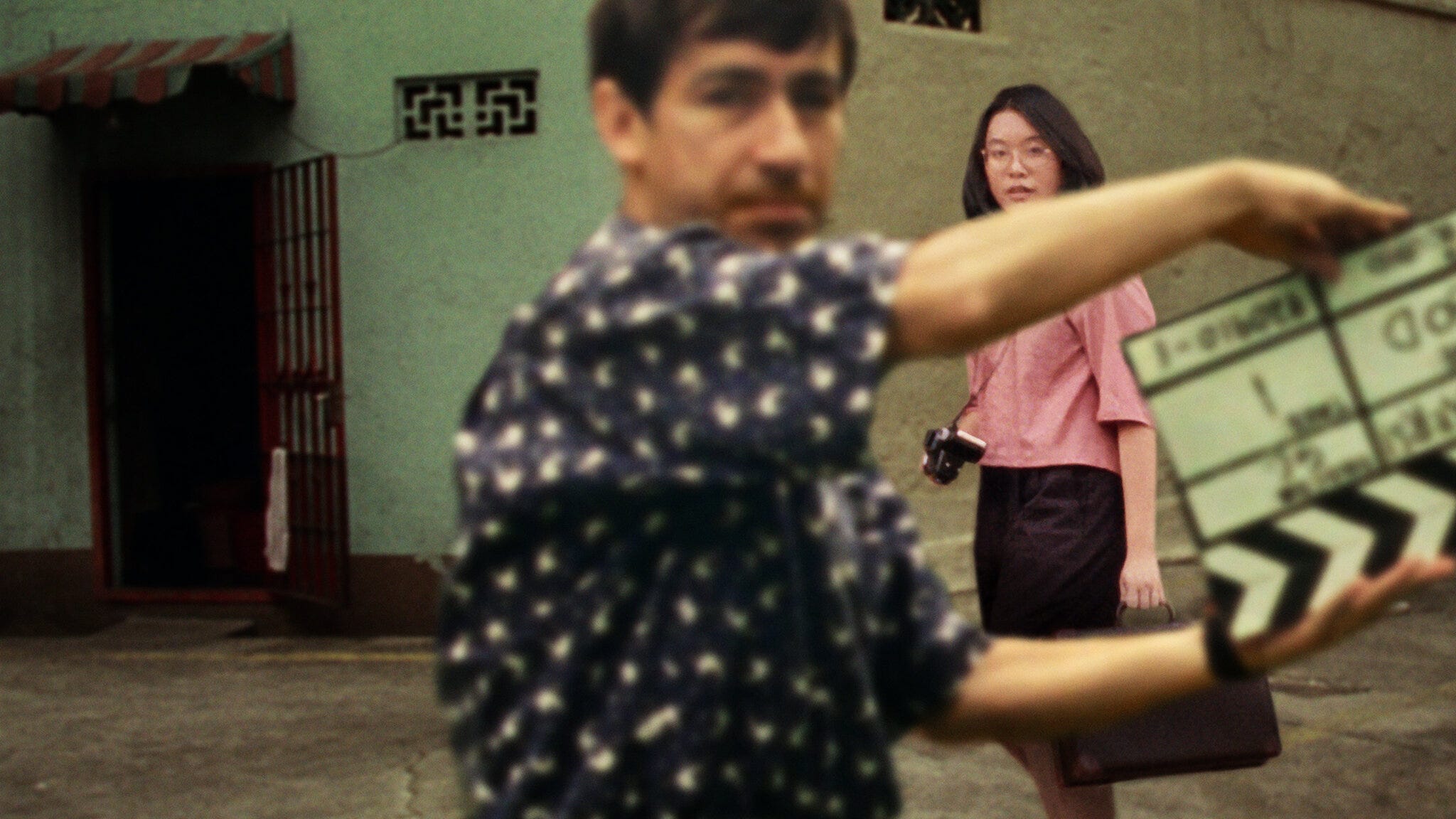
Shirkers (2018) tells you its twist before you get the chance to guess it. Trailers and log-lines inform you of how its antagonist, George, came into the lives of the young, impressionable teen filmmakers Sandi Tan, Jasmine Ng and Sophia Siddique, immediately impacting their fresh, limitless lives, and unexpectedly leaving, with the only copy of their passion project and magnum opus, causing an even greater impact through his bitter absence. The film presumably pulls you into some great plot in pursuing him, but what one expects to be an investigative mystery is sadly not that at all, it is rather a tale of grief.
Shirkers is a tale that does relatively quick work going from George’s betrayal to Sandi, containing in her current adult life a mix of hopeful defiance and decades-old marks of melancholia, to her and her old film friends finding out that George has passed away. There is no call to adventure to scour for an elusive figure as if this were a story much more similar to Searching for Sugar Man (2012) or Finding Vivian Maier (2013), we are pushed to focus on what this event meant to Sandi, Jasmine and Sophia on an emotional level, how they reacted to their betrayal, what they did with their lives afterwards and what their choices as a means to cope and move on reveal about themselves in an honest and uncoddling manner.
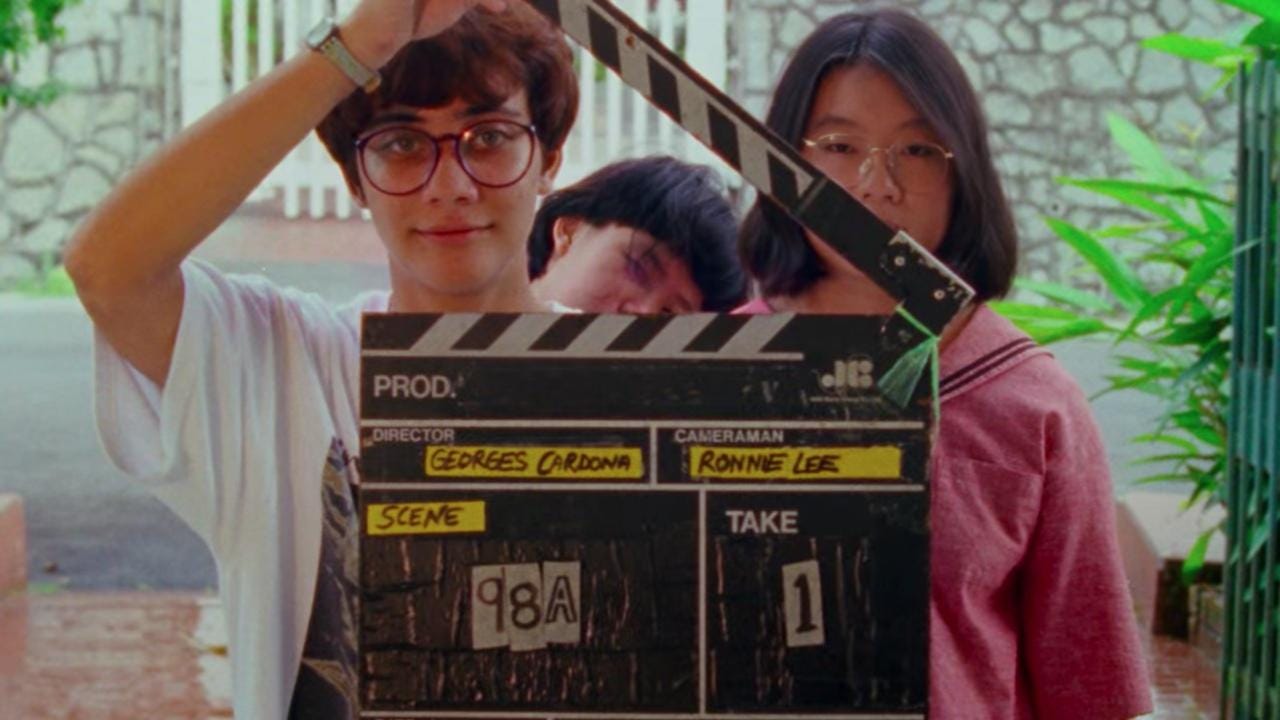
Shirkers reveals Sandi’s passion and juvenile solipsism, it reveals Jasmine’s loyalty and indellible, joyful humanism, and it reveals Sophia’s determination and selflessness, which moonlights as her harmful will to self-sacrifice. The loss of the film is shown to be monumentally therapeutic; through its loss, these women use the predicament to find themselves at least.
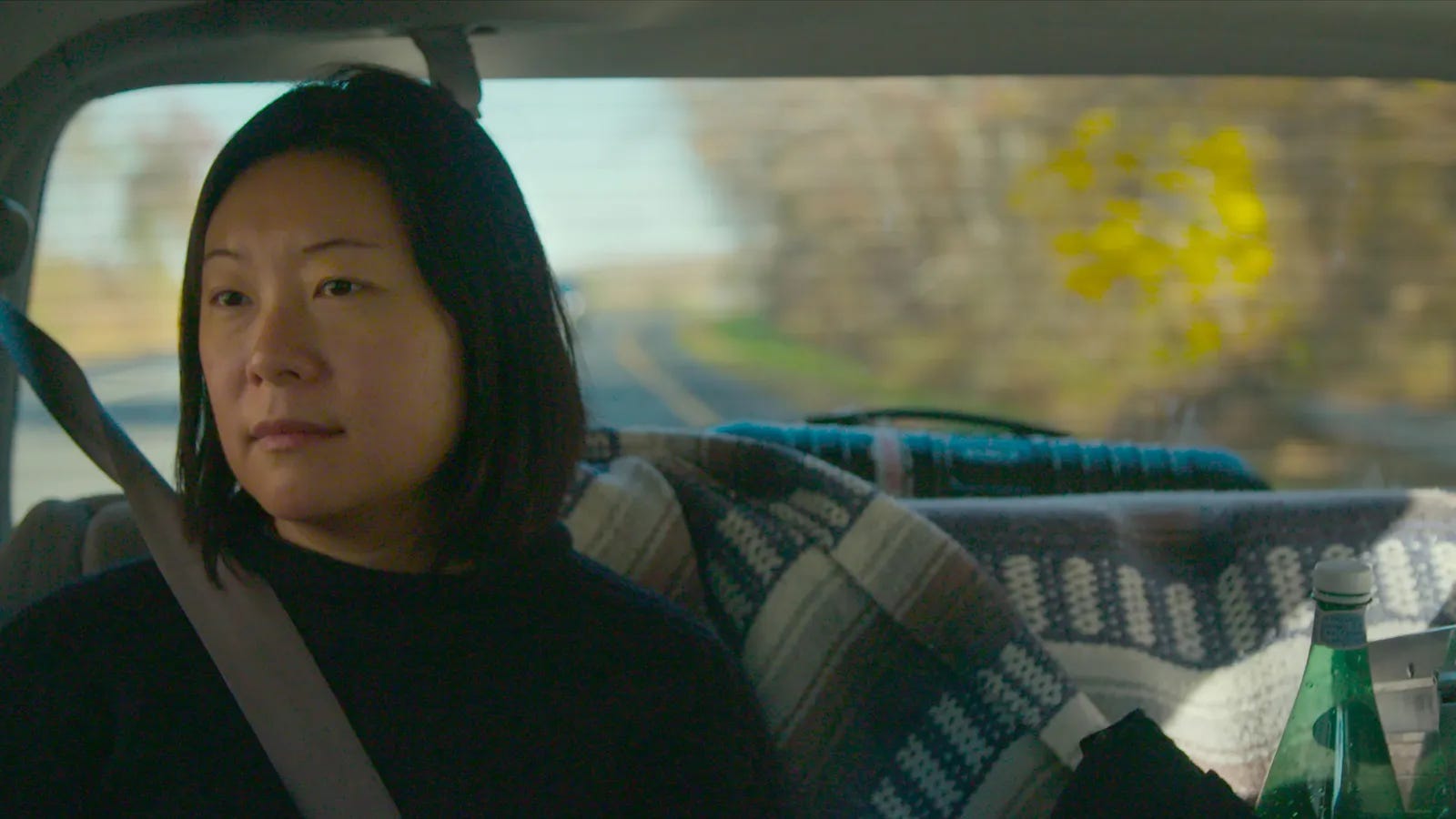
With every tale of grief, there’s bitter nostalgia too. Going back and forth from the warm, dreamy film footage of young, enchanting souls with stars in their eyes to clean, blue-ish digital portraits of their middle-aged versions struck a chord. Their past was so turbulent and remains scarred from George’s spite, but it looks so much more hopeful and warm than the present does it not? How do you move on from that blessed and youthful time, when nothing was certain and everything was possible?
George, who remains a mystery until the very end, embodies a dangerous yet universal aspect present in all filmmakers: the ability to lie in order to reveal the truth. It does not matter, according to his anecdotes told in the presence of a batch of young star-eyed teenagers, if he really saw a decapitated woman’s head or met Steven Soderbergh once or held a personal connection to the production manager from Apocalypse Now; what mattered was that he revealed himself through these lies. By trying so hard to craft a certain image of himself, his true image was only increasingly amplified: insecure, manipulative and eternally stuck in his own world.
I’m reminded of the subjects of Close-Up (1990) and Crumb (1994), in the sense that he never needed honesty to exalt truth. It’s too bad that the young women, unaware of what lay waiting for them, found this aspect charming and therefore became victims to his silver tongue.

With this being said, a large part of Shirkers goes to great extents so as to free its subject from this particular event. Agency is revealed amongst dedicated human beings who refuse to be defined and engulfed by the actions of one man decades detached from their current lives. With that being said, a few of them do wonder. Of course, the existence of this documentary reveals this longing already, at least within Sandi, who, at the time that I am currently writing this, is reported to be in charge of the production of Elif Batuman’s The Idiot, which shows that life does in fact go on.
To conclude my brief thoughts on one of Netflix’s best procurements, Shirkers is also a tale of friendship. We all need friends like Jasmine, people who will tell you all your flaws and still love you. Human beings can veer towards the most unfortunate versions of themselves as long as they remain assured everyone around them pays absolutely no mind, Jasmine reminds you that there is a better way to live. With that being said, every person in this film holds deep importance to one another, particularly as witnesses to something which they simply cannot explain fully to others. Yes, they should not be defined by George’s actions and the loss of a film that may or may have not been the golden ticket to very illustrious careers as beloved filmmakers, yet they always keep this combined memory between themselves, and may perhaps find comfort in the fact they will always know someone who truly understands their history.